Why Most Mediterranean Diet Advice Ignores Portion Size (and Why That's a Problem)
Quick Answer: Much popular Mediterranean diet content focuses only on which foods to eat (olive oil, fish, vegetables) while ignoring that traditional Mediterranean eating patterns also involve moderate portions and an active lifestyle — eating ‘Mediterranean foods’ in large American-style portions doesn’t reproduce the studied health outcomes.
The Mediterranean diet’s reputation rests on real research, but most popular advice quietly drops a variable that mattered in the original studied populations: portion size.
What does the actual research on the Mediterranean diet include beyond food choice?
Studies on traditional Mediterranean eating patterns generally reflect populations with moderate portion sizes and higher baseline physical activity levels, alongside the specific food choices — olive oil, fish, vegetables, whole grains. The food list alone was never the complete studied variable.
Why does portion size specifically get left out of popular advice?
Portion guidance is less marketable and harder to standardize than a simple food list — ‘eat more olive oil and fish’ is an easier message to package than ‘eat moderate portions of these foods within an overall active lifestyle,’ even though the latter more accurately reflects the studied pattern.
Does this mean eating Mediterranean foods in large portions provides no benefit?
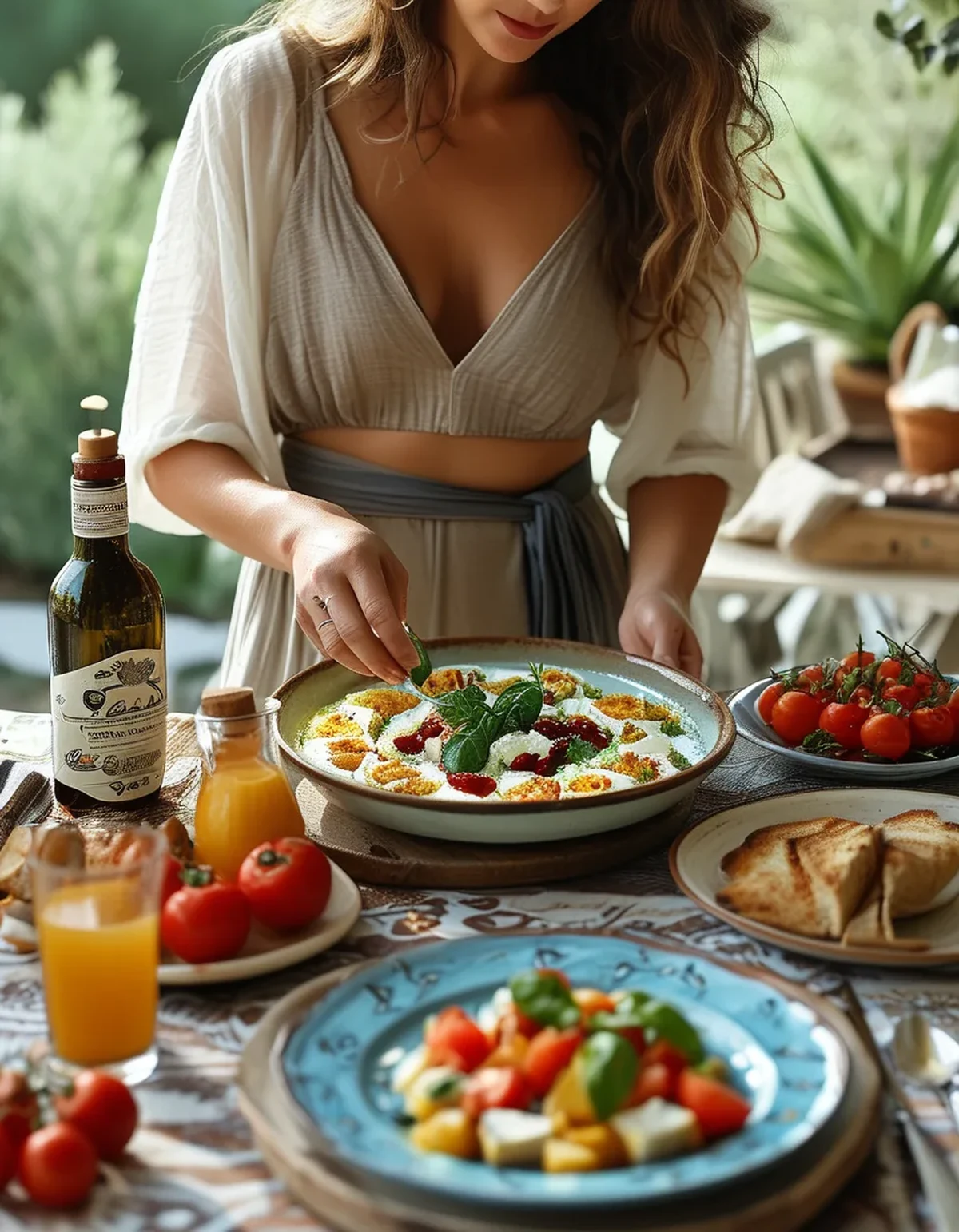
Some benefit likely remains from the food quality itself (healthy fats, fiber, lower processed food content) even at larger portions, but the specific weight and metabolic outcomes seen in Mediterranean diet research are less likely to reproduce without the portion and activity context also present.
What’s a practical way to apply the portion piece, not just the food list?
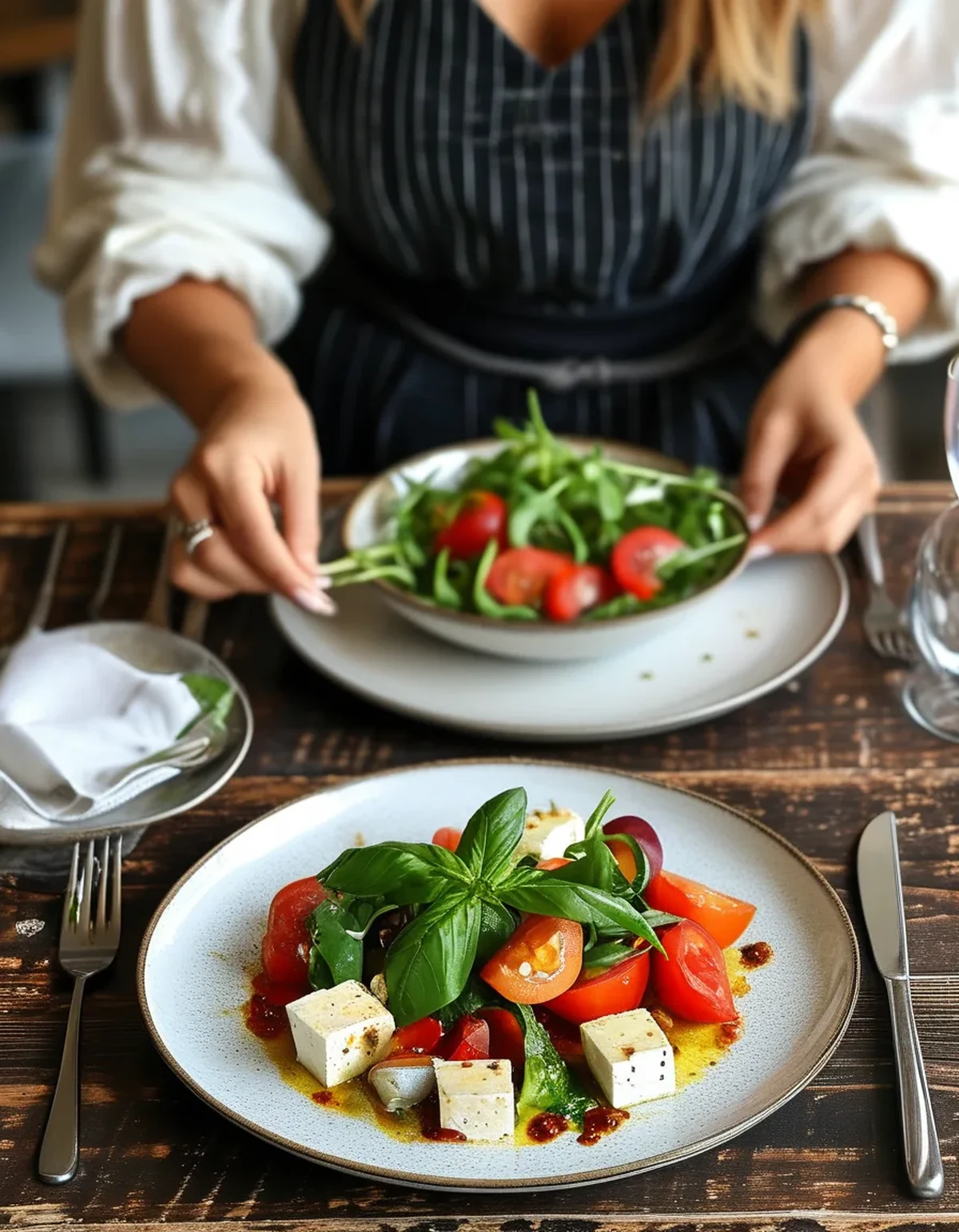
Following traditional Mediterranean plate proportions — vegetables and whole grains filling most of the plate, with moderate portions of protein and healthy fats — more closely mirrors the studied pattern than simply adding Mediterranean-associated foods on top of typical Western portion sizes.
FAQ: Mediterranean Diet Portions, Answered
Is olive oil quantity something to actually watch, given it’s a Mediterranean diet staple?
Yes — ‘heart-healthy’ still means calorie-dense, so unlimited olive oil doesn’t align with the moderate portion context of the original research.
Does activity level really matter this much for the diet to work as studied?
Yes, the studied populations generally had more daily incidental physical activity, which is a relevant variable alongside diet composition itself.
Should I count calories on a Mediterranean diet or just follow the food list?
Moderate portion awareness, even without strict calorie counting, better reflects the traditional pattern than an unlimited approach to Mediterranean-associated foods.
TL;DR:
- Original Mediterranean diet research includes portion size and activity level, not just food choice
- Portion guidance gets dropped from popular advice because it’s harder to market simply
- Large portions of Mediterranean foods likely provide some but not all the studied benefits
- Traditional plate proportions more accurately reflect the pattern than an unlimited food list approach
Keep Reading
This article is for general informational purposes only and is not medical advice. Always consult a qualified health professional for guidance specific to you.