The Protein Question the Mediterranean Diet Doesn't Answer Clearly Enough
The Mediterranean diet gets praised for heart health and longevity, but protein adequacy rarely gets a clear answer, especially for anyone strength training or simply trying to preserve muscle with age. The pattern actually has a real protein strategy, it just isn’t built around meat as the default.

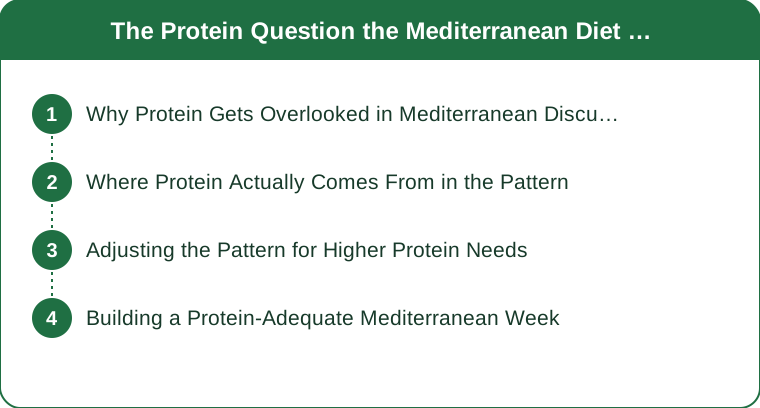
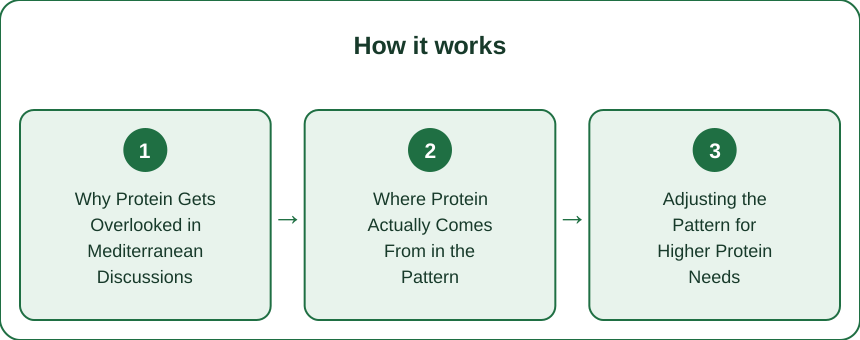
Why Protein Gets Overlooked in Mediterranean Discussions
The gap: the the-produce-forward-framing (most popular explanations of the Mediterranean diet emphasizing vegetables, olive oil, and whole grains so heavily that protein sourcing ends up as an afterthought), the the-red-meat-limitation-confusion (the diet’s well-known limitation on red meat frequency sometimes being misread as a limitation on protein generally, when it’s specifically about the type and frequency of meat), the the-strength-training-population-gap (most Mediterranean diet research historically focusing on cardiovascular outcomes rather than muscle-building populations, leaving a real information gap for anyone strength training).
Where Protein Actually Comes From in the Pattern
The real sources: the the-fish-as-primary-protein (fish and seafood serving as a primary, frequent protein source in the traditional pattern, generally consumed multiple times per week rather than occasionally), the the-legume-heavy-rotation (legumes like lentils, chickpeas, and beans providing a substantial and frequent protein contribution, often as a meal’s main component rather than a side), the the-dairy-in-moderate-frequent-amounts (moderate, frequent dairy consumption, particularly yogurt and cheese, contributing meaningfully to overall protein intake across the week).

Adjusting the Pattern for Higher Protein Needs
The adaptation: the the-increasing-fish-frequency (increasing fish and seafood frequency beyond the traditional baseline being a straightforward, pattern-consistent way to raise protein intake for someone with higher needs), the the-legume-portion-increase (simply increasing the portion size of legume-based dishes, which are already central to the pattern, raising protein without introducing anything foreign to the diet), the the-strategic-lean-poultry-addition (adding lean poultry more frequently than traditional red meat limits would suggest, remaining broadly consistent with the diet’s overall spirit while covering higher protein needs).
Building a Protein-Adequate Mediterranean Week
The practical structure: the the-protein-distribution-across-meals (spreading protein sources like fish, legumes, and dairy across all meals rather than concentrating them in one, supporting more consistent muscle protein synthesis throughout the day), the the-track-dont-assume-approach (anyone with specific strength or muscle goals being better served tracking actual protein intake for a period rather than assuming the diet’s reputation guarantees adequacy), and the frame (the Mediterranean diet has a real protein strategy built on fish, legumes, and dairy rather than meat — anyone with higher protein needs can adjust portions and frequency within that same framework rather than abandoning the pattern entirely.)
The Mediterranean diet’s reputation gets built almost entirely around vegetables, olive oil, and its limits on red meat, which leaves protein sourcing looking like an afterthought even though the traditional pattern has a genuine protein strategy of its own. Fish and seafood function as a primary, frequently eaten protein source, legumes like lentils and chickpeas often serve as a meal’s actual main component rather than a side dish, and moderate, frequent dairy, particularly yogurt and cheese, rounds out weekly protein intake in a way the diet’s reputation rarely credits. Anyone with higher protein needs, whether from strength training or simply preserving muscle with age, doesn’t need to abandon the pattern to meet them, increasing fish frequency, upsizing legume portions, and adding lean poultry more often than the traditional red-meat limits suggest all stay consistent with the diet’s overall spirit. The most reliable approach for someone with specific goals is still tracking actual intake for a period rather than assuming the diet’s broader health reputation automatically guarantees protein adequacy.
Keep Reading
This article is for general informational purposes only and is not medical advice. Always consult a qualified health professional for guidance specific to you.