The Mediterranean Diet Without the Mediterranean Price Tag
Quick Answer: The expensive version of the Mediterranean diet (daily salmon, pine nuts, imported everything) is a marketing invention. The authentic pattern is peasant food: beans and lentils as protein workhorses, canned sardines and mackerel for oily fish, frozen vegetables, seasonal produce, and one good olive oil as the single splurge. It routinely comes in cheaper than a processed-food cart.
Somewhere between the research and the recipe blogs, a diet built on beans, bread, and whatever the garden produced became a lifestyle requiring $17 salmon twice a week. The actual eating pattern that earned the health halo was cheap by design — it belonged to people who couldn’t afford meat.
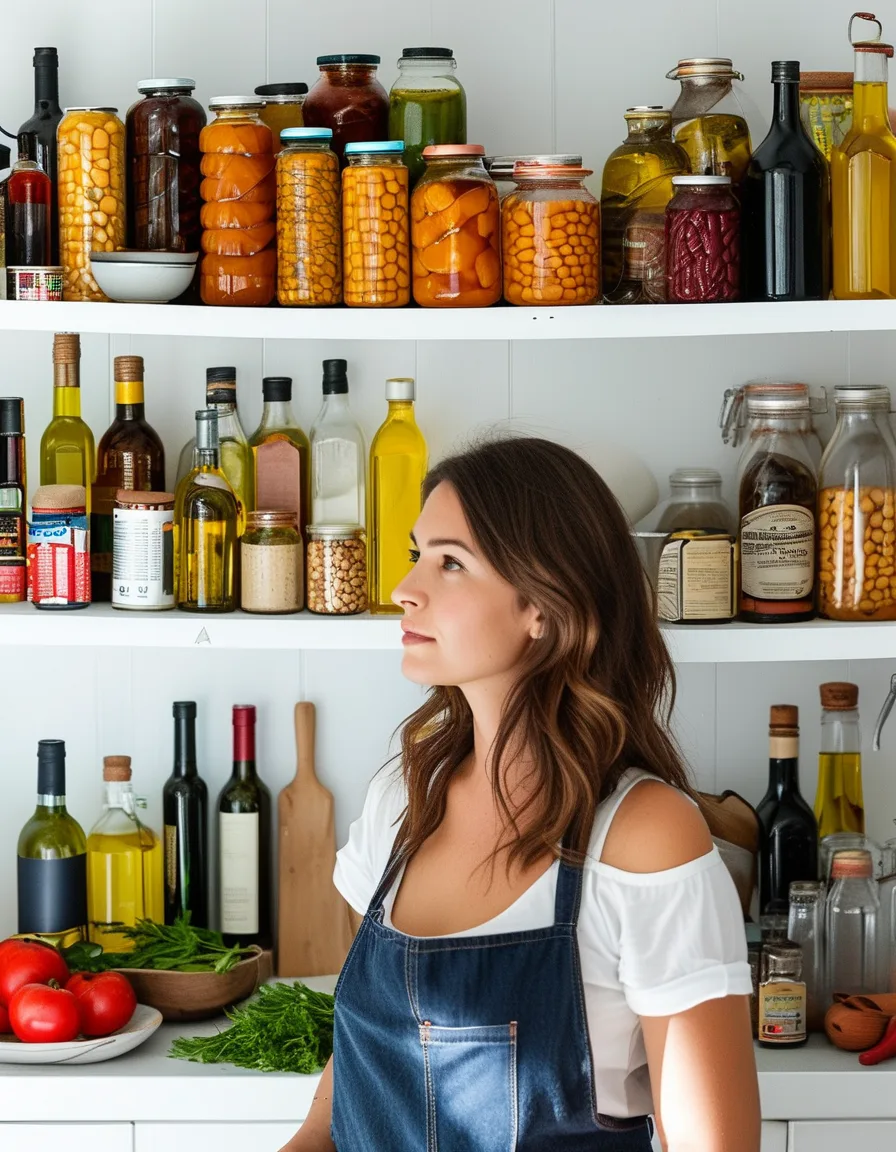
Why does the authentic version cost less than you think?
The Mediterranean pattern’s backbone was never fresh fish daily — it was legumes: lentils, chickpeas, white beans, several times a week, because they were what farming families could afford. Vegetables were seasonal and local (read: cheap), meat was occasional, and fish was often preserved — salted, tinned — not fresh-counter fillets.
The research-backed pattern needs: vegetables and fruit daily, legumes and whole grains as staples, olive oil as the main fat, fish a couple of times weekly, modest dairy, minimal processed food. Notice what’s absent: any requirement that the fish be fresh, the nuts be pine, or anything be imported.
Dried chickpeas at under $2/lb delivering protein plus fiber is the dietary pattern working exactly as designed — the $17 salmon was always optional garnish.
What goes in the budget Mediterranean cart?
The workhorse list:
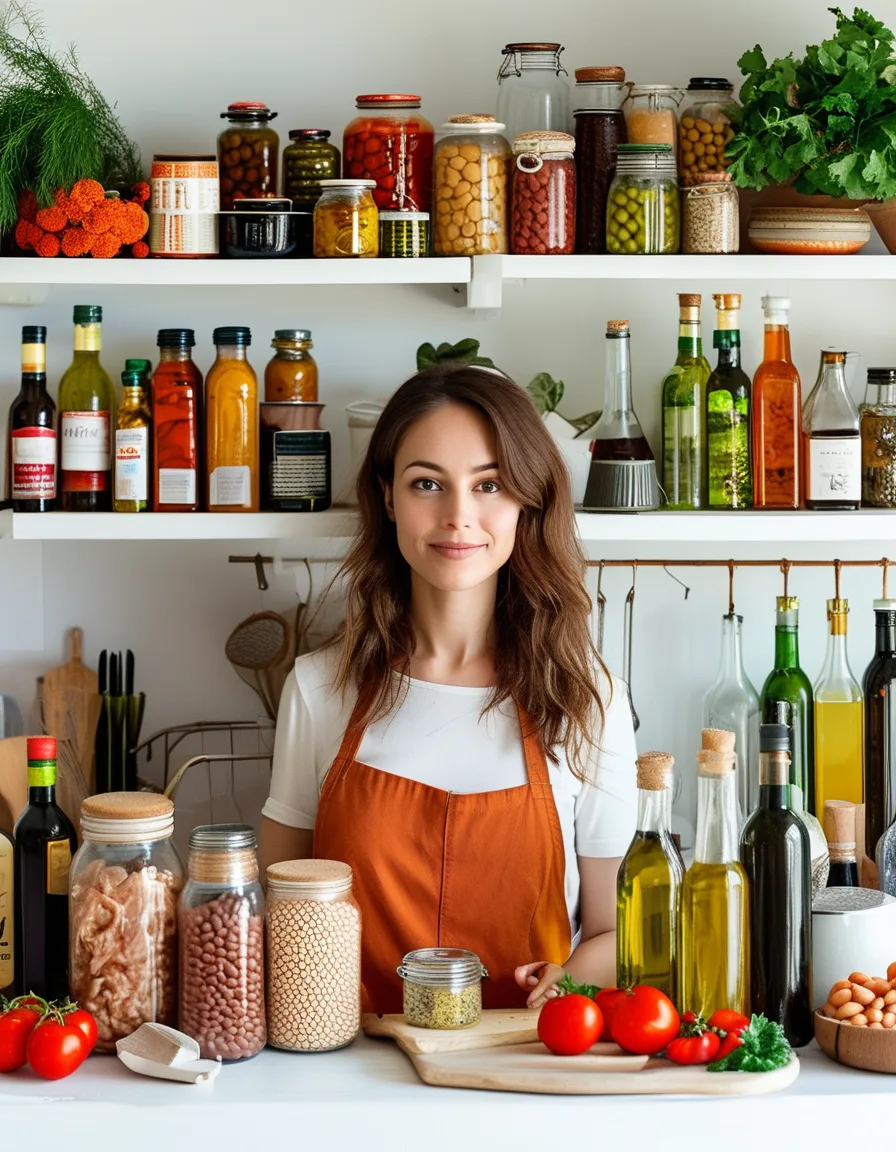
- Proteins: dried or canned chickpeas, lentils, white beans (~$1-2 per lb dried); canned sardines and mackerel — genuinely traditional, higher in omega-3s than many fresh options, ~$2-3 a tin; eggs; canned tuna.
- Produce: frozen spinach, green beans, and mixed vegetables (frozen-at-peak beats wilted-fresh nutritionally and costs half); seasonal fresh — whatever’s on sale IS the Mediterranean way; cabbage, carrots, onions year-round.
- Grains: bulk oats, brown rice, whole-grain pasta, day-old bakery whole bread.
- The one splurge: a decent extra-virgin olive oil (~$10-15) — it’s the flavor signature and the fat backbone, and per-serving it costs pennies.
- Flavor for free: garlic, lemon, dried oregano, canned tomatoes.
Sample day under budget: oats + frozen berries; lentil soup with bread and olive oil; sardines over white beans with lemon and whatever vegetables were cheapest. That’s textbook Mediterranean, at pantry prices.
Myth vs Fact: Mediterranean Diet Costs
Myth: Fresh fish twice a week is required. Fact: Tinned sardines, mackerel, and salmon check the oily-fish box completely — often with more omega-3 per dollar than the fresh counter, no thawing, no waste. Traditional Mediterranean households ate preserved fish constantly.
Myth: Frozen vegetables are a nutritional compromise. Fact: Frozen-at-peak produce typically matches or beats ‘fresh’ that traveled a week to reach you — at roughly half the price with zero rot-in-the-drawer waste.
Myth: The health benefits require the premium ingredients. Fact: The research links benefits to the pattern — plants, legumes, olive oil, fish presence, minimal processing — not to any price tier of the ingredients. A $60/week version and a $200/week version carry the same evidence.
The premium-Mediterranean aesthetic sells cookbooks. The pattern itself was engineered by scarcity and works fine there.
FAQ: Budget Mediterranean Questions, Answered
Is cheaper olive oil still worth using?
Use real extra-virgin within your budget — even modest supermarket EVOO delivers the core fat profile. Save the fancy bottle logic for finishing drizzles if you ever feel like upgrading; cooking happily takes the affordable one.
How do I make beans not boring?
The traditional answers: garlic + olive oil + lemon on white beans; cumin and tomato with chickpeas; lentils with onion cooked soft and sweet. The cuisine spent centuries solving exactly this problem — borrow its homework.
Can I do this with almost no cooking skills?
Yes — the entry version is assembly: canned beans rinsed + tinned fish + frozen veg microwaved + olive oil + lemon over rice. It’s a 10-minute meal that hits every box, and skills can grow from there.
TL;DR:
- The authentic Mediterranean pattern is peasant food: legumes as protein workhorses, preserved fish, seasonal-cheap produce
- Tinned sardines/mackerel and frozen vegetables are fully legitimate — often nutritionally superior per dollar
- One splurge only: a decent olive oil; everything else shops from the budget aisles
- The evidence follows the pattern, not the price tag
The healthiest diet in the research was invented by people shopping on a farmhand’s wages — you’re allowed to shop like them.
Keep Reading
This article is for general informational purposes only and is not medical advice. Always consult a qualified health professional for guidance specific to you.