The Mediterranean Diet for Beginners: Why the World's Best Diet Is Not Really a Diet
Every January, expert panels rank the world’s eating patterns, and every year the same one wins: the Mediterranean diet — best overall, best for heart health, easiest to follow. Its secret is embarrassing to the diet industry: it is not a diet at all. No counting, no banned-foods list, no app subscription. It is a pattern — the way people around the Mediterranean have eaten for centuries — and it is backed by more research than any eating style on earth. Here is your on-ramp.

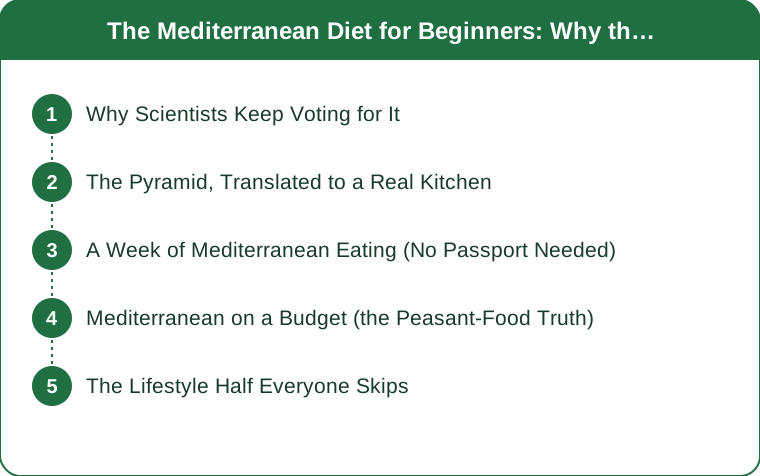
Why Scientists Keep Voting for It
The evidence base is the envy of nutrition science: landmark trials found Mediterranean-style eating cut major cardiovascular events by roughly 30% in high-risk adults, and observational research links it to lower rates of stroke, type 2 diabetes, cognitive decline and depression. The magic is not one superfood — it is the ensemble: olive oil, vegetables, fish, legumes, nuts and whole grains working as a system, plus what the pattern quietly crowds out. It wins because whole patterns beat hero ingredients, every time.
The Pyramid, Translated to a Real Kitchen
Daily foundation: vegetables at every meal (yes, breakfast can play), fruit as the default dessert, whole grains, legumes, nuts, and extra-virgin olive oil as the house fat — used generously, not fearfully. Weekly rhythm: fish and seafood at least twice, poultry and eggs in moderation, yogurt and cheese daily-ish in sensible amounts. Occasional guests: red meat a few times a month, sweets for actual occasions. Red wine is culturally traditional but entirely optional — the research does not require it, whatever your uncle claims.

A Week of Mediterranean Eating (No Passport Needed)
Breakfasts: Greek yogurt with honey, walnuts and peaches; tomato-rubbed whole-grain toast with olive oil and eggs. Lunches: white-bean and tuna salad with lemon; leftover-vegetable grain bowls with feta; lentil soup with a hunk of good bread. Dinners: sheet-pan salmon with zucchini and peppers; chicken thighs over herbed chickpeas; eggplant and tomato pasta with a green salad. Snacks: olives, almonds, summer fruit, hummus with cucumbers. Notice the theme — abundant, colorful, zero weighing of food, and July produce is its natural season.
Mediterranean on a Budget (the Peasant-Food Truth)
Historical reality check: this is peasant cuisine — its backbone was always cheap. Dried lentils and beans cost pennies per serving; canned sardines and tuna deliver omega-3s at a fraction of fresh-fish prices; frozen vegetables are nutritionally legitimate; day-old bread was practically a Mediterranean institution. The one worthwhile splurge is a decent extra-virgin olive oil — and even that, bought in larger tins, beats most bottled dressings per use. Eating like a Greek grandmother is one of the cheapest healthy patterns available. She would be appalled at what wellness culture charges.
The Lifestyle Half Everyone Skips
Researchers keep noting that the Mediterranean pattern includes how people eat: meals taken sitting down, often shared, unhurried — no dashboard dining; daily movement woven into life (walking as transport, not just workouts); and the radical practice of stopping when satisfied rather than when finished. You cannot import the coastline, but you can import the table: one screen-free shared dinner this week is as Mediterranean as the olive oil on it. The diet is the food plus the pace. Both halves count.
The Mediterranean diet keeps winning because it asks so little and returns so much: cook mostly plants, pour the olive oil, eat fish twice a week, sit down for it, and repeat for roughly the rest of a longer life. Start with three swaps — olive oil as house fat, fish Thursdays, fruit as weekday dessert — and let the world’s most-proven eating pattern do what it has done for centuries. Slowly, deliciously, and without a single thing to count.
Keep Reading
This article is for general informational purposes only and is not medical advice. Always consult a qualified health professional for guidance specific to you.